
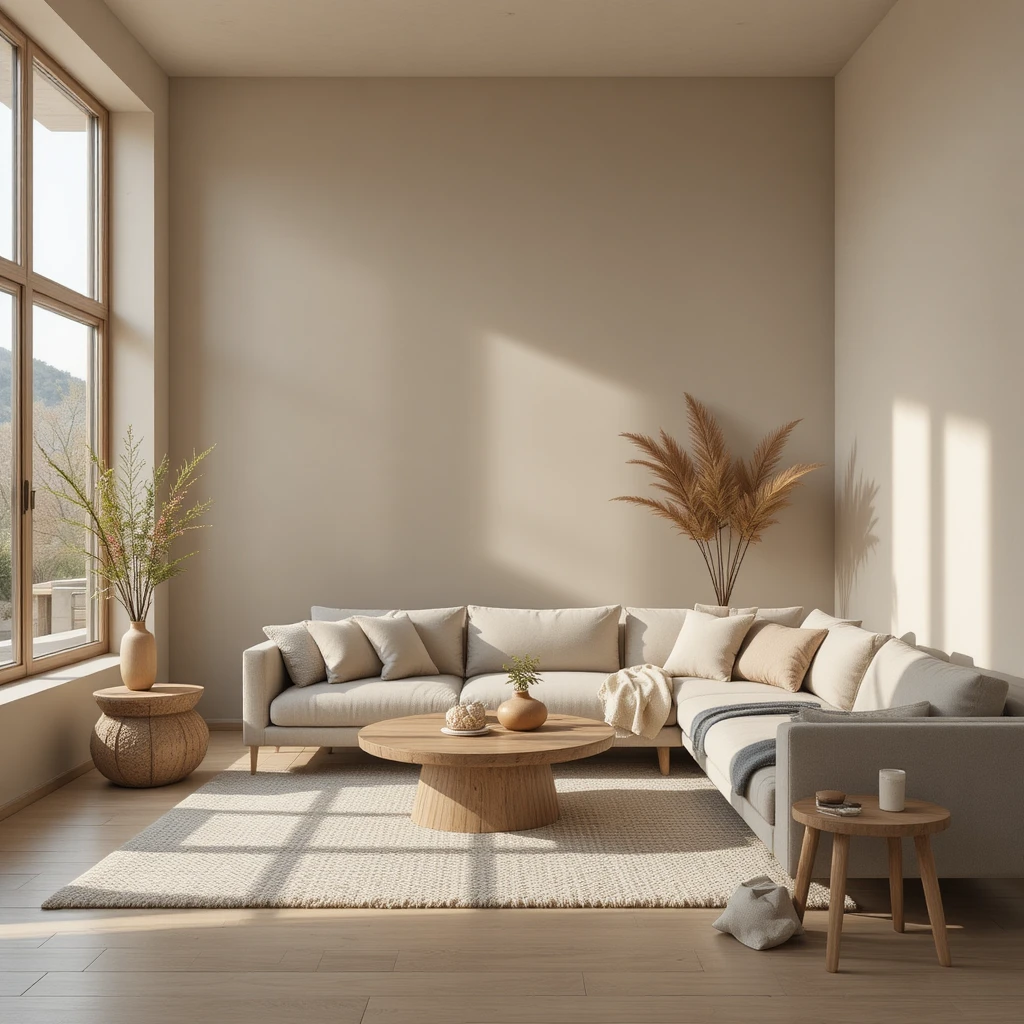
Imagine walking into your living room after a long, exhausting day. Instead of being greeted by clutter, overwhelming colors, or a cold, sterile atmosphere, you step into a sanctuary of calm. The room is bathed in soft, natural light. A plush, textured rug warms your feet. The clean lines of the furniture are inviting, not stark, and a few carefully chosen items—a beautiful vase, a stack of books—catch your eye and bring you joy. This isn’t just a dream; it’s the promise of warm minimalism living room designs.
For a long time, the word “minimalism” conjured images of all-white, sparsely furnished rooms that felt more like art galleries than actual homes. They were beautiful to look at in magazines but seemed impossible and uninviting to live in. However, a shift has happened. The design world has evolved, and the new wave of minimalism is all about comfort, personality, and warmth.
I remember the first time I truly understood this concept. I had just moved into my first apartment and, inspired by Pinterest, I tried to create a “minimalist” space. I painted everything stark white, bought a few pieces of flat-pack furniture, and left the walls bare. The result was a room that felt empty, cold, and about as cozy as a dentist’s waiting room. I was miserable! It wasn’t until I began to layer natural textures, introduce warm earthy tones, and incorporate pieces with sentimental value that my space finally started to feel like a home. It was then I realized: minimalism isn’t about having nothing; it’s about having the right things.
Warm minimalism living room designs are the perfect antidote to the frantic pace of modern life. This design philosophy marries the “less is more” approach of traditional minimalism with the cozy, inviting elements of hygge and modern heritage styles. It’s about creating a home that feels tidy and intentional but is also lived-in, comfortable, and full of character.
In this guide, we’ll explore 12 distinct ways to achieve this harmonious balance in your own living room. We’ll go beyond just showing you pictures; we’ll provide a step-by-step guide on how to transform your space into a warm, inviting, and stylish haven. By the end, you’ll have the confidence to create a room that looks like it was designed by a professional, proving that a clutter-free life can be a cozy one.
1. Embrace a Warm Neutral Color Palette as Your Foundation
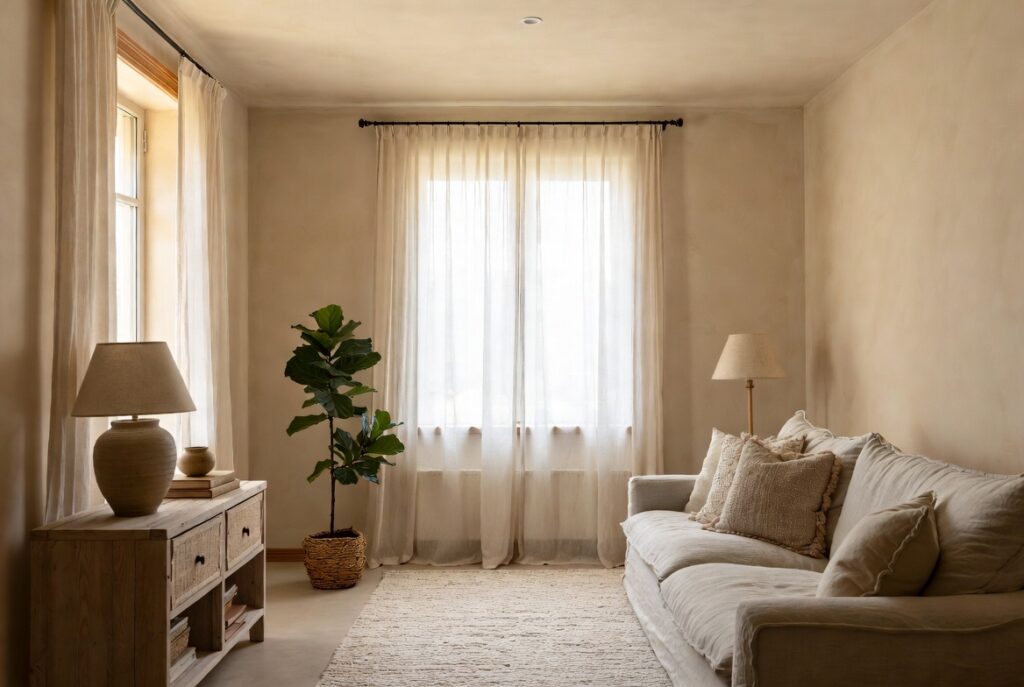
The cornerstone of any minimalist design is a thoughtful color palette, and for warm minimalism, the choice is clear: embrace earth tones. Instead of stark whites and cool grays, think of creamy whites, soft beiges, warm taupes, and subtle mushroom grays. These colors act as a comforting backdrop, creating a sense of calm and ensuring that every element in the room feels intentionally connected.
Picture this: you’re painting your living room. Instead of a pure, clinical white, you choose a shade called “Warm Stone.” It’s a soft, nuanced beige that seems to glow in the afternoon sun. As you paint, you notice how it immediately makes the room feel larger and more peaceful. This is the power of a well-chosen neutral. It doesn’t compete with your furniture or decor; it supports and enhances them, creating a perfect canvas for layering.
For instance, you could adopt a layered neutral hues scheme, pairing a warm ivory wall with a mushroom-gray sofa and sandy-beige accents. This approach creates depth and visual interest while maintaining that essential minimalist restraint. This softer look is what designers refer to when they talk about the “new” minimalism—a style that is more human and livable.
Editorial Tip:
When selecting your palette, test paint samples in different lighting conditions throughout the day. A color that looks perfect in the morning may feel entirely different under artificial evening light. This small step ensures your foundational color scheme works harmoniously at all hours.
2. Layer Natural Textures for Depth and Warmth
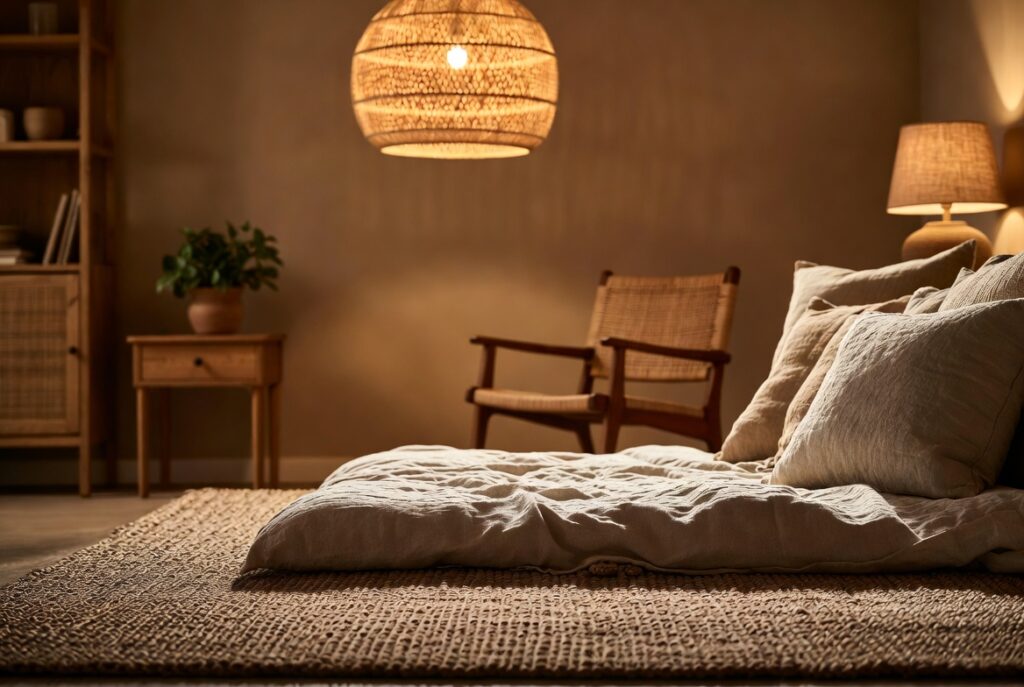
Once you have your warm, neutral base, the next step is to prevent the space from feeling flat or sterile. This is where texture becomes your most powerful tool. In a warm minimalism room, texture is the secret ingredient that turns a simple space into a sensory experience.
Think about the materials you’re drawn to. Do you love the rough, organic feel of a jute rug? Or the soft, plush comfort of a chunky knit throw? Perhaps you’re a fan of the smooth, cool surface of a stone coffee table. The key is to combine these textures to create a layered, tactile environment.
A great way to start is by focusing on your seating area. Drape a cozy wool blanket over the arm of your sofa, add a few pillows in different fabrics like linen and cotton knit, and place a natural fiber rug underneath to anchor the space. These cozy textiles bring warmth and visual interest without cluttering your clean aesthetic. This approach ensures your design feels rich and layered, not flat and one-dimensional.
Step-by-Step Guide to Layering Textures:
- Start with the largest surface: Your flooring. Choose a natural fiber rug like jute or sisal as your base layer.
- Add your main furniture: A sofa or sectional in a textured fabric such as linen or bouclé.
- Introduce mid-layer textiles: Drape a chunky knit throw over the back of the sofa.
- Finish with accent pieces: Add 2-3 pillows in varying textures—think velvet, cotton, or wool—in complementary neutral tones.
- Incorporate hard textures: Place a wooden coffee table or stone side table nearby to balance the softness.
3. Select Multi-Functional Furniture for a Clutter-Free Life
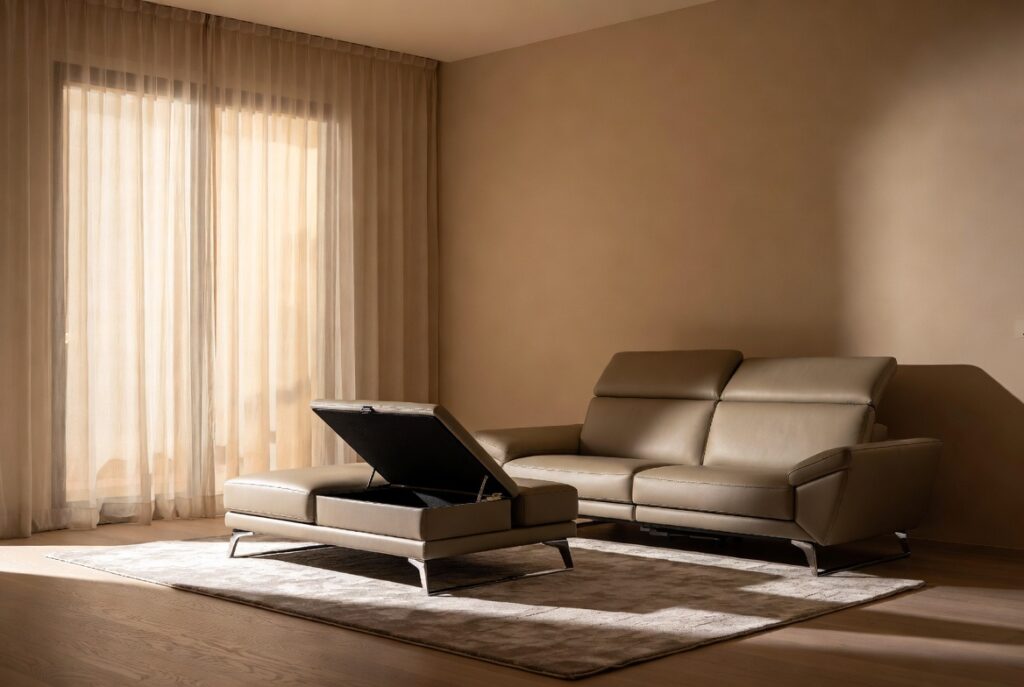
In a home designed for intentional living, every piece of furniture should earn its keep. When you’re limited on space, the rule is simple: choose pieces that do double duty. This is a core principle of warm minimalism living room designs, ensuring your sanctuary remains organized and serene.
Imagine you’re choosing a coffee table. Instead of a simple tabletop, you opt for one with built-in storage drawers to tuck away remotes and magazines. Or maybe you choose a beautiful woven storage ottoman that serves as a footrest, extra seating, and a place to store blankets. These smart furniture choices make a huge difference in maintaining a clutter-free environment.
As one designer notes, a key to this style is creating comfort without the clutter. Another popular choice for small spaces is to break the sofa rule. Instead of a bulky, traditional sofa, consider a community-style table that doubles as a workspace and dining area, or built-in bench seating that replaces large, cumbersome furniture.
Pro Editorial Note:
When evaluating furniture, ask yourself: Does this piece serve at least two purposes? If the answer is no, reconsider its place in your design. This simple filter helps you maintain the minimalist ethos while maximizing functionality.
Visit 25 Living Room Decor Ideas: Transform Your Space into a Sanctuary You’ll Love
4. Create a Focal Point to Anchor the Room
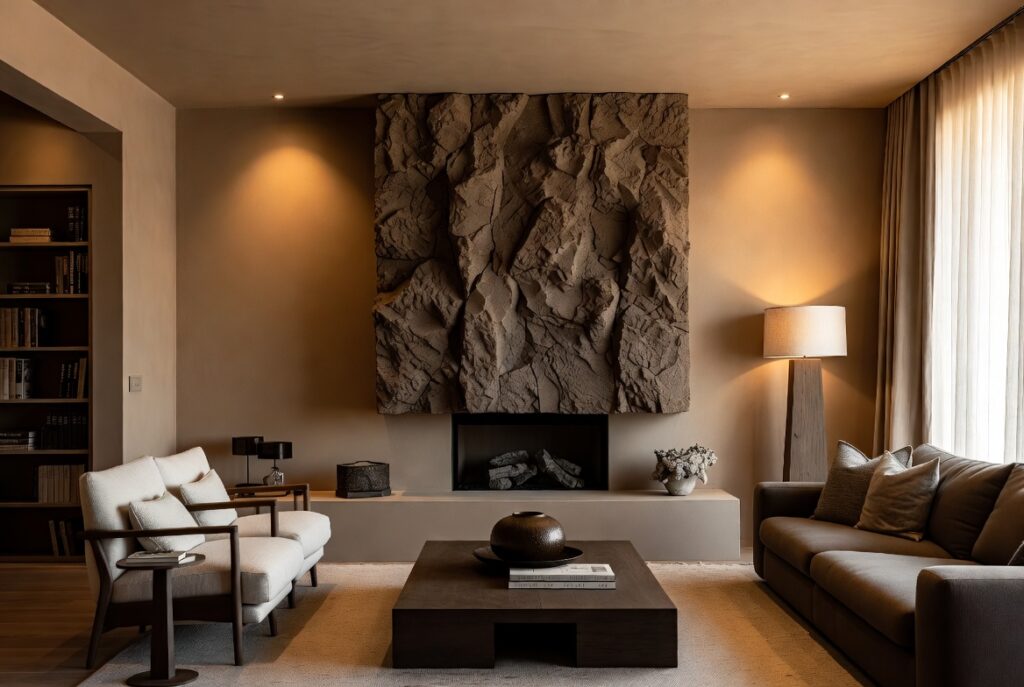
In a minimalist space, a well-defined focal point gives the eye a place to rest. It creates a sense of structure and purpose, anchoring the seating area and preventing the room from feeling aimless. This is a crucial step in many warm minimalism living room designs.
Take a look at your seating arrangement. What is the first thing you want people to see when they walk in? This could be a large, oversized piece of artwork above the sofa, a striking sculptural coffee table, or even a beautiful fireplace. This purposeful centerpiece draws attention and provides visual interest without cluttering the room.
However, don’t underestimate the impact of a “statement wall” that isn’t just a splash of paint. You can create depth and texture with materials like reclaimed wood or textured wallpaper. A successful focal point will ground the entire design and make your room look curated and intentional.
Key Considerations for Your Focal Point:
- Scale: Ensure your focal point is proportional to the room. A tiny piece of art on a massive wall will get lost.
- Placement: Position it directly across from your primary seating area for maximum impact.
- Simplicity: Keep the surrounding area clean and uncluttered so the focal point can shine.
5. Incorporate Cozy Textiles Through Pillows and Throws
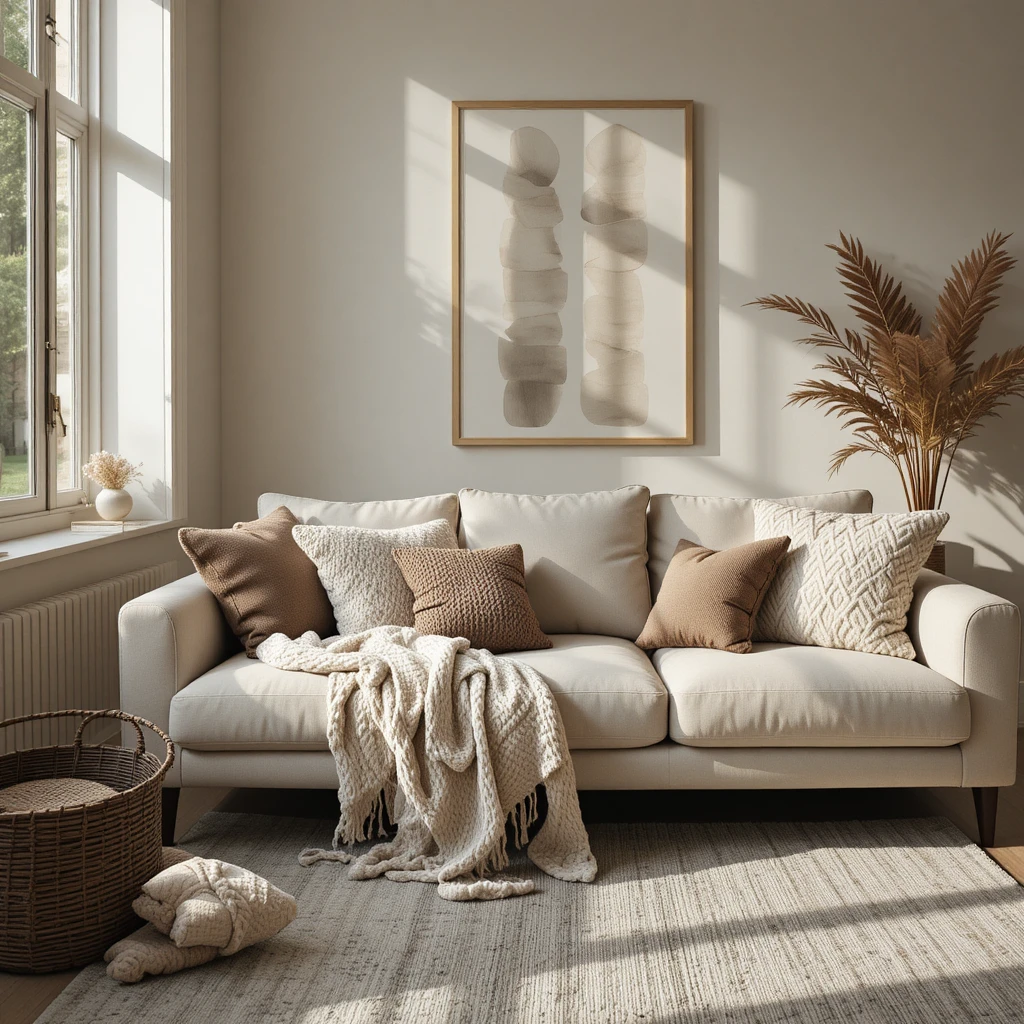
Textiles are the easiest and most effective way to inject instant warmth into a room. In warm minimalism, they are the heroes that soften the clean lines of furniture and make a space feel inviting and comfortable. This is where you can let your personality shine.
Choose plush blankets in neutral tones like cream, charcoal, or soft gray and casually drape them over your sofa or armchair. You can then layer fluffy cushions in varying textures—think linen, wool, or cotton knit—while maintaining a cohesive color palette. Designers suggest limiting yourself to three or four pillows to avoid overwhelming the space, ensuring they add comfort and style in equal measure.
Remember, the goal here is to make the room feel lived-in. A perfectly placed throw suggests relaxation and a slow, mindful life. As one expert notes, a room should feel tidy but lived-in. Even adding a simple, soft throw and a few pillows can instantly transform a stark sofa into a welcoming, cozy focal point.
Editorial Guideline:
Avoid the temptation to match your pillows and throws perfectly. The beauty of warm minimalism lies in its effortless, collected appearance. Mix textures and subtle shades rather than creating a “matching set” look, which can feel overly staged.
6. Maximize Natural Light to Brighten the Space
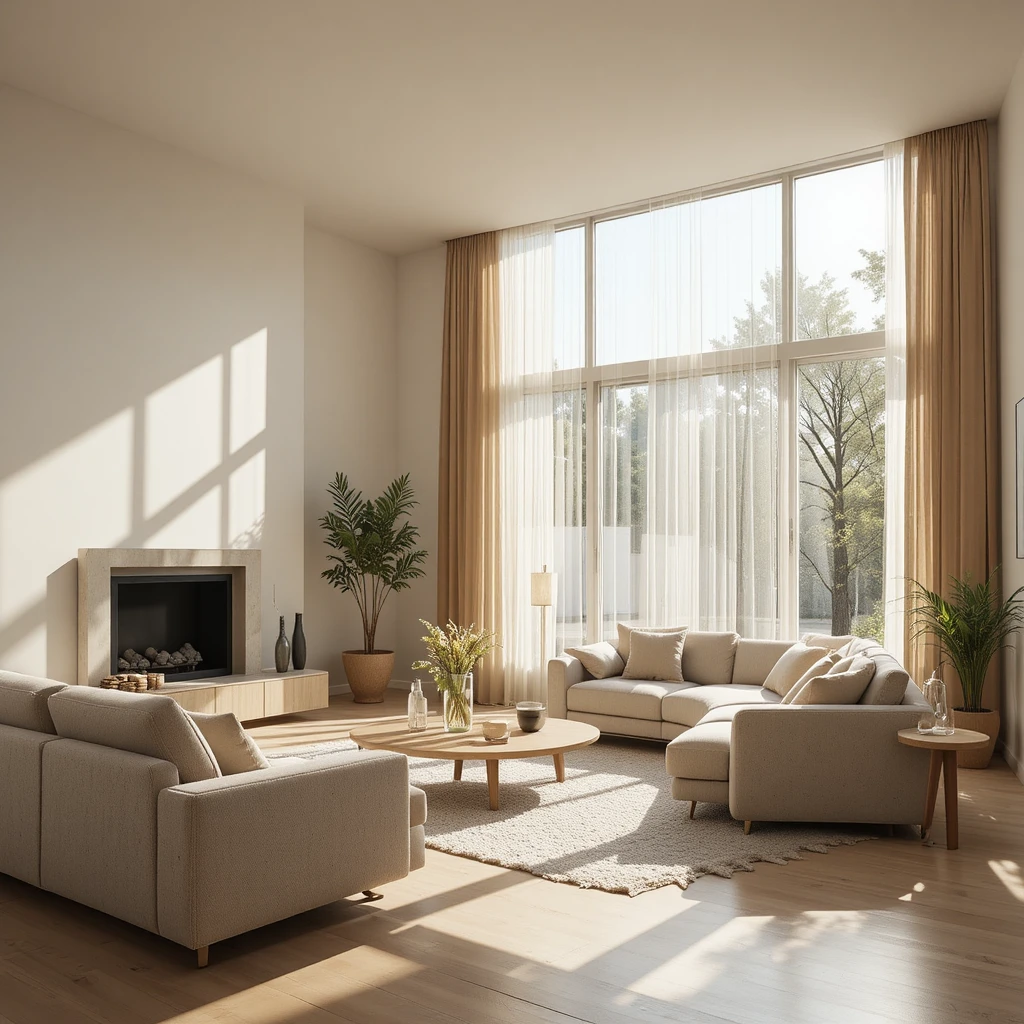
Natural light is arguably the most important element in any design. It can make a small room feel more expansive, highlight the colors and textures you’ve chosen, and instantly boost your mood. For a warm minimalism look, you want to make the most of the light you have.
When dressing your windows, opt for sheer curtains or light, neutral-toned fabrics to filter harsh sunlight and create a soft, glowing ambiance. This connection to the outdoors is one of the defining features of this style. If you value your privacy at night, you can layer them with blackout shades or curtains. Another great trick is to hang your curtain rods close to the ceiling to create the illusion of height, making your space feel even more airy and open.
Think of how light interacts with your room. It can highlight the natural grain of a wooden coffee table or cast a beautiful shadow through a textured curtain. This is how natural light becomes part of the design itself.
Quick Wins for Better Lighting:
- Mirrors: Place a large mirror opposite a window to bounce light deeper into the room.
- Trimming: Keep window treatments minimal and avoid heavy, dark drapes that block light.
- Cleaning: Wash your windows regularly—it sounds simple, but clean glass makes a noticeable difference.
7. Add a Touch of Nature with Wood, Stone, and Greenery
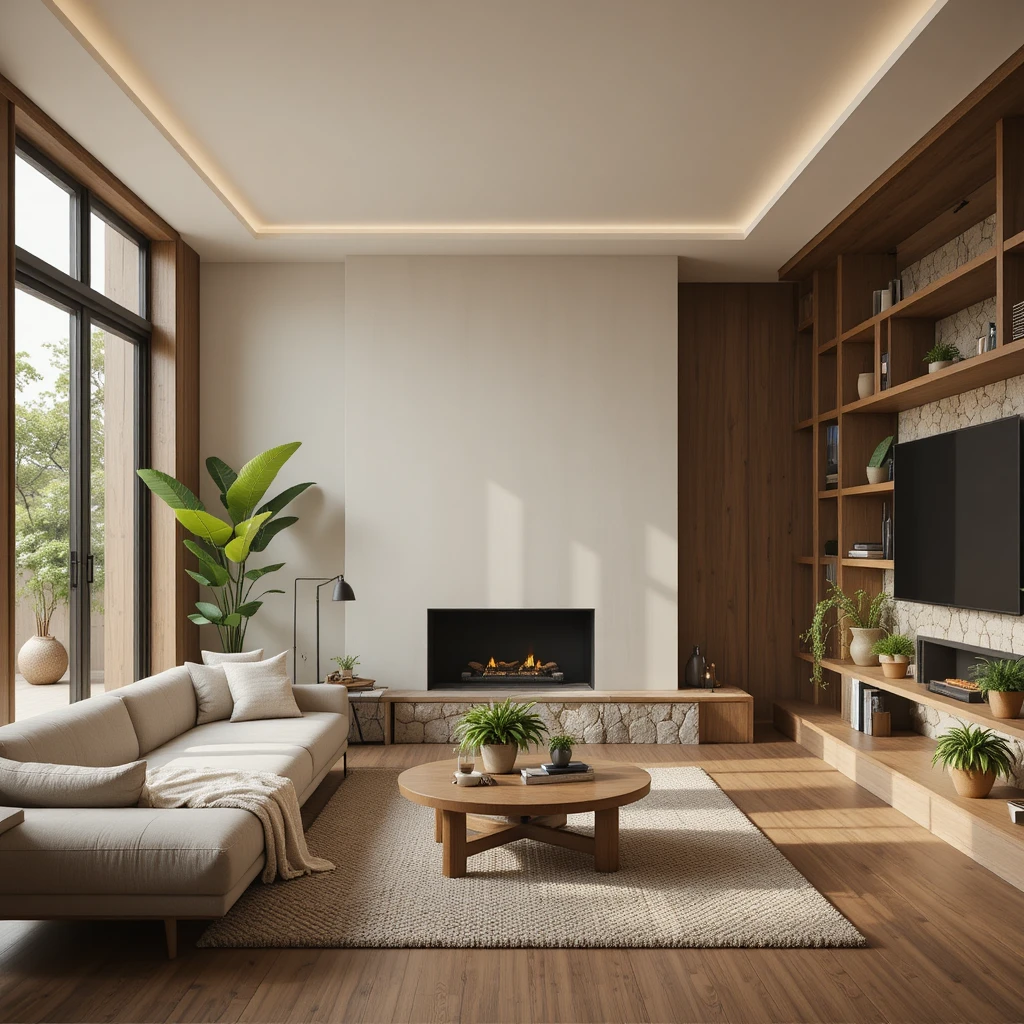
Bringing the outdoors in is a non-negotiable element of warm minimalism. Natural materials like wood, stone, and plants connect us to the earth, reduce stress, and add an organic, grounding element to a modern, minimalist space.
Consider adding pieces like a rich walnut or oak coffee table that showcases the wood’s natural grain, or marble accents to add textural depth. Position these elements to capture natural light, which will highlight the beauty of the materials. A designer might call this pairing of nature-inspired pieces a masterclass in achieving a calm and relaxing feel.
And don’t forget about the power of plants. A single, striking potted plant in the corner or a vase of fresh, seasonal flowers (like bright yellow blooms) can bring life and vibrancy to a neutral palette. It’s a low-effort, high-impact way to add a pop of color and enhance the serene atmosphere.
Step-by-Step Guide to Incorporating Greenery:
- Choose low-maintenance plants: Snake plants, pothos, and ZZ plants are excellent for beginners.
- Select stylish planters: Opt for terracotta, ceramic, or woven baskets that complement your warm neutral palette.
- Position strategically: Place plants near windows but away from direct drafts or heating vents.
- Group thoughtfully: Cluster 2-3 plants of varying heights for a curated, natural display.
8. Create a Statement with Greige for Timeless Elegance
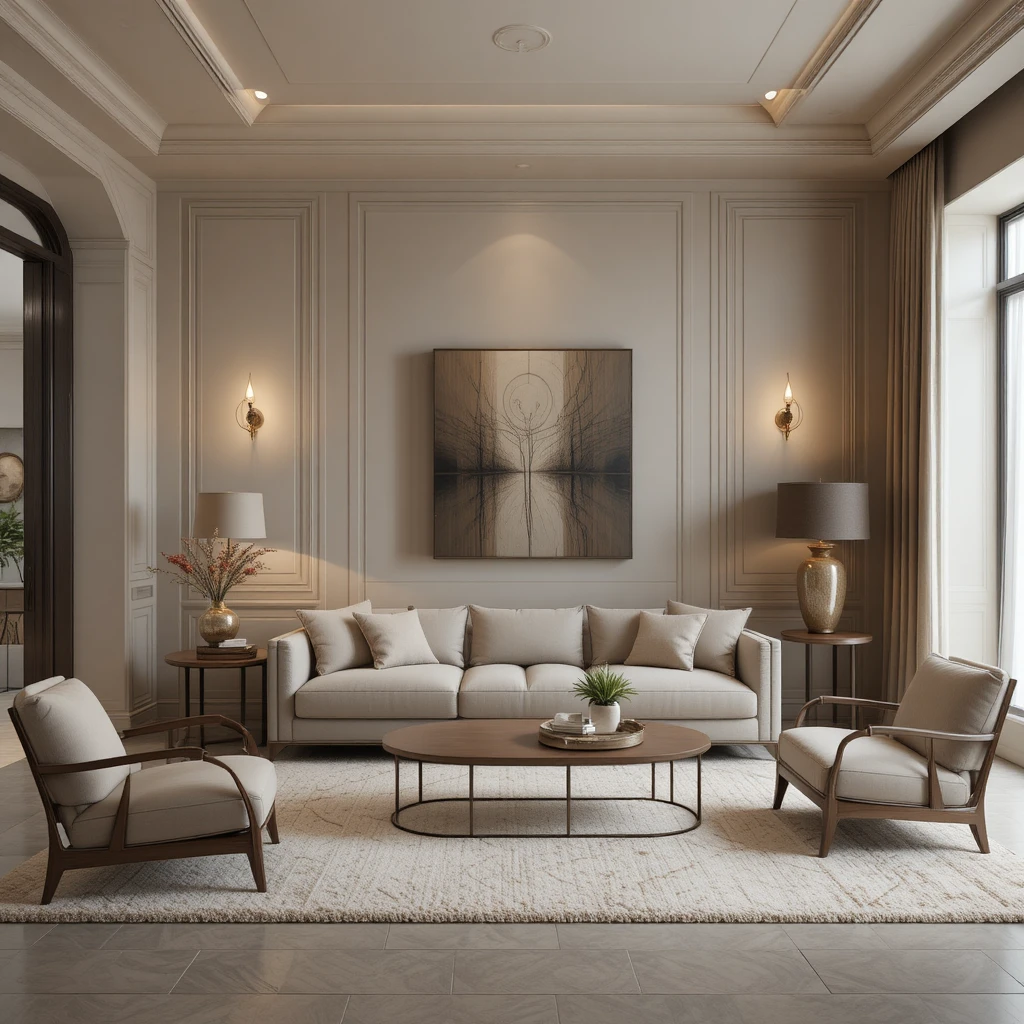
If you’re looking for a color that perfectly embodies the spirit of warm minimalism, look no further than “greige.” This sophisticated hybrid of gray and beige is the ultimate neutral. It’s warm and inviting like beige, but cool and modern like gray, making it a perfect backdrop for a cozy yet stylish room.
For example, a living room with textured greige walls creates an instantly warm and inviting backdrop. The subtle variations in color add depth without overwhelming the space, providing a harmonious and stylish environment for minimalist decor. You can then add a bold accent color, like a vibrant orange throw pillow or a striking piece of artwork, to make the room pop without disrupting the calming foundation.
This approach is ideal for those who want a clean, modern look that doesn’t feel cold. It allows you to be playful with muted shades while maintaining a sophisticated aesthetic.
Expert Tip:
Greige works exceptionally well in rooms with varying light exposure. Unlike pure gray, which can feel cold in shadowy corners, or pure beige, which can feel dull in bright light, greige adapts beautifully, maintaining its warmth across different times of day.
9. Define Spaces with Area Rugs
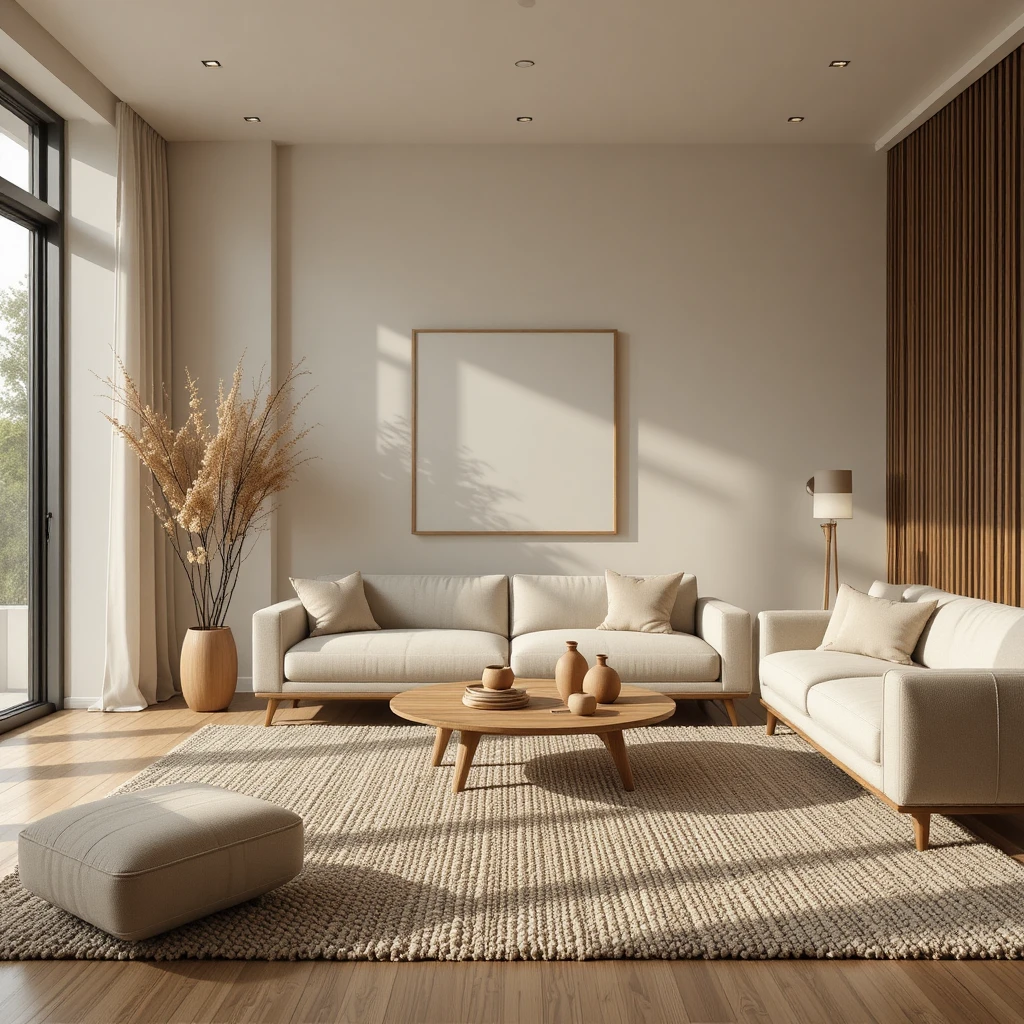
In an open-plan or minimalist setting, rugs are essential for zone definition and adding warmth underfoot. They are the unsung heroes that transform a cold, hard floor into an inviting, comfortable space. In warm minimalism, a rug helps to ground your furniture and create a cohesive, designated area for relaxation.
A general rule is to select a large rug that anchors your entire seating area, extending at least eighteen inches beyond the edges of your sofa and chairs. This creates a visual boundary that ties all the elements together. If you have a larger space, you can even incorporate layered rugs, placing a smaller accent rug over your main one for extra visual depth. Keep things cohesive by selecting rugs in neutral tones like cream, beige, or soft gray, using a jute or flatweave design for added organic texture.
Rug Sizing Quick Guide:
| Room Size | Recommended Rug Size |
|---|---|
| Small (under 150 sq ft) | 5′ x 8′ or 6′ x 9′ |
| Medium (150-300 sq ft) | 8′ x 10′ or 9′ x 12′ |
| Large (over 300 sq ft) | 10′ x 14′ or larger |
10. Use Clever Storage Solutions that Double as Decor
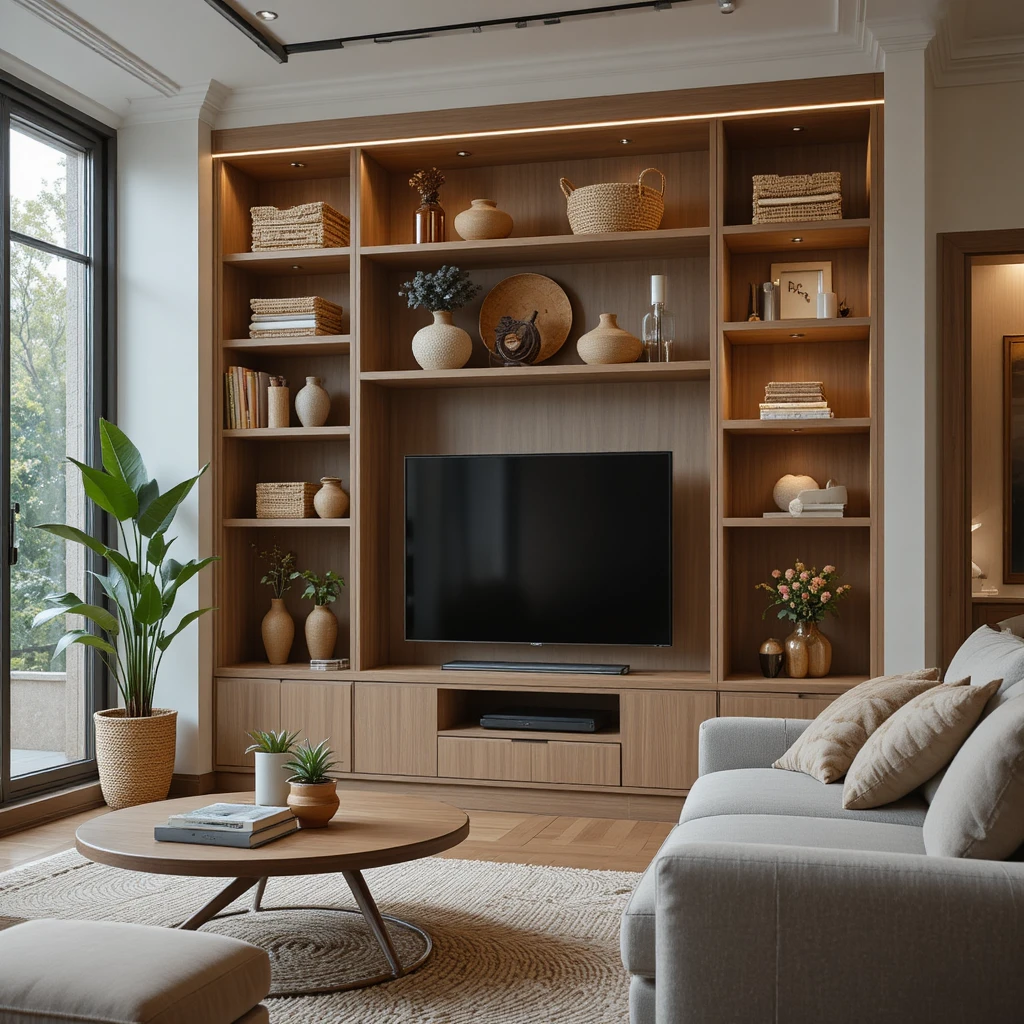
A clutter-free space is a peaceful space. But in a minimalist home, your storage solutions need to be both functional and aesthetically pleasing. In fact, the best storage solutions in warm minimalism living room designs are those that are so integrated into the decor they don’t even look like storage.
Invest in built-in shelving units that create clean lines and provide an opportunity to display books, plants, and a few curated objects. For a more flexible approach, decorative storage baskets are a must-have. Woven designs in natural fibers can be tucked under a console table to store blankets, magazines, or children’s toys, adding texture while hiding the mess.
As a designer points out, everything should have a place and a purpose, and the result should feel more human and livable. Hidden storage is key to achieving this, ensuring your displays remain uncluttered.
Step-by-Step Guide to Stylish Storage:
- Audit your belongings: Remove everything from the room and sort into “keep,” “donate,” and “relocate.”
- Identify problem areas: Where does clutter typically accumulate? (e.g., coffee table, entryway)
- Choose dual-purpose furniture: Select pieces that offer storage, like ottomans, bench seating, or console tables with drawers.
- Use baskets and bins: Corral smaller items in attractive woven baskets that complement your decor.
- Curate your displays: Limit surfaces to a few meaningful objects, leaving negative space around them.
11. Display Curated Art and Personal Accessories
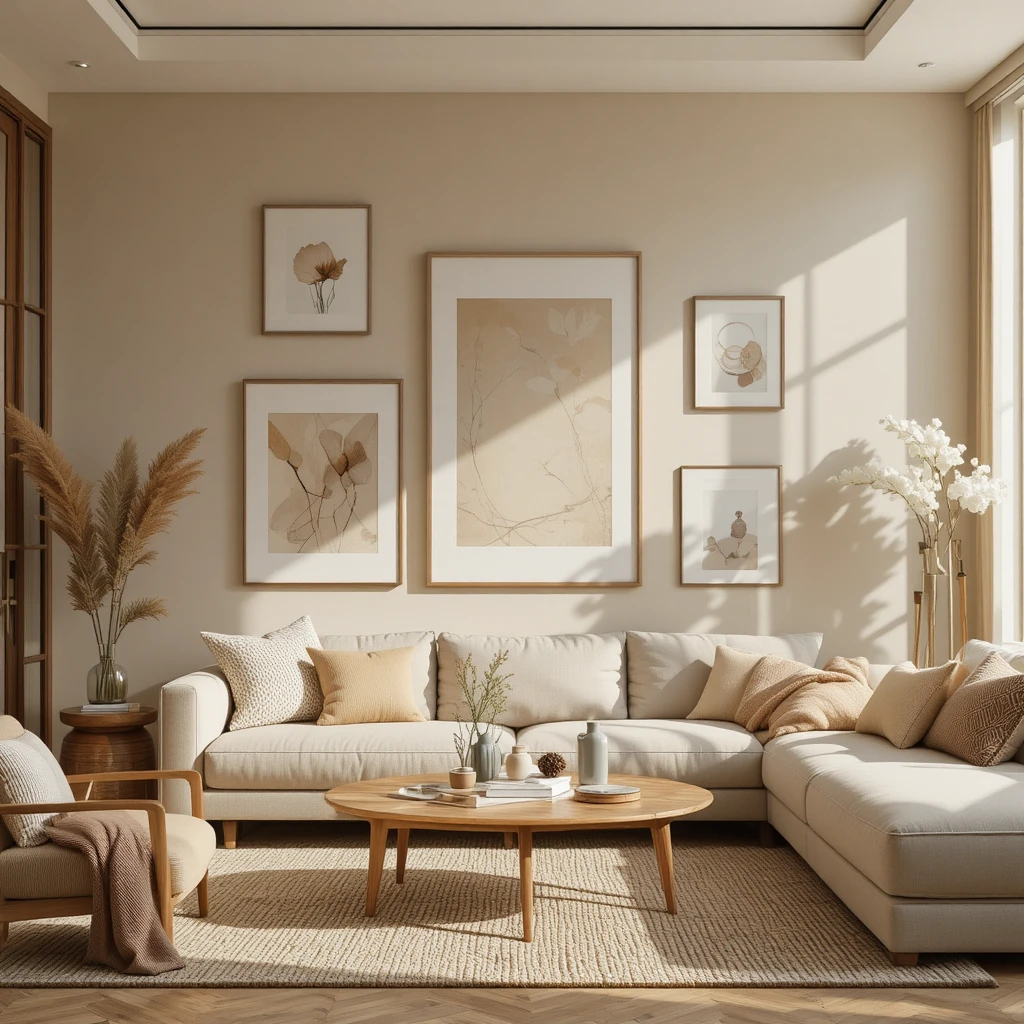
Warm minimalism is not about erasing personality; it’s about showcasing it with intention. You are encouraged to display personal treasures and art that you love, but the key is to be selective. Instead of a shelf full of knickknacks, choose a few meaningful pieces and give them the space to breathe.
You might opt for a large, striking piece of art above the sofa, or display a single sculptural vase or a cherished travel memento on a shelf. A great anecdote from a designer is to always start with something you love—a color, an antique heirloom, or a textile—and build around that using muted colors and natural textures. This creates a space that feels collected, not decorated.
Display Guidelines:
- The Rule of Three: When arranging objects on a shelf or table, group them in odd numbers (3 or 5) for visual balance.
- Vary Heights: Mix tall, medium, and low objects to create a dynamic display.
- Leave Negative Space: Don’t overcrowd surfaces. Let your chosen pieces stand out.
- Rotate Seasonally: Swap out accessories to keep the space feeling fresh and reflective of the changing seasons.
12. Let the Light Guide Your Design
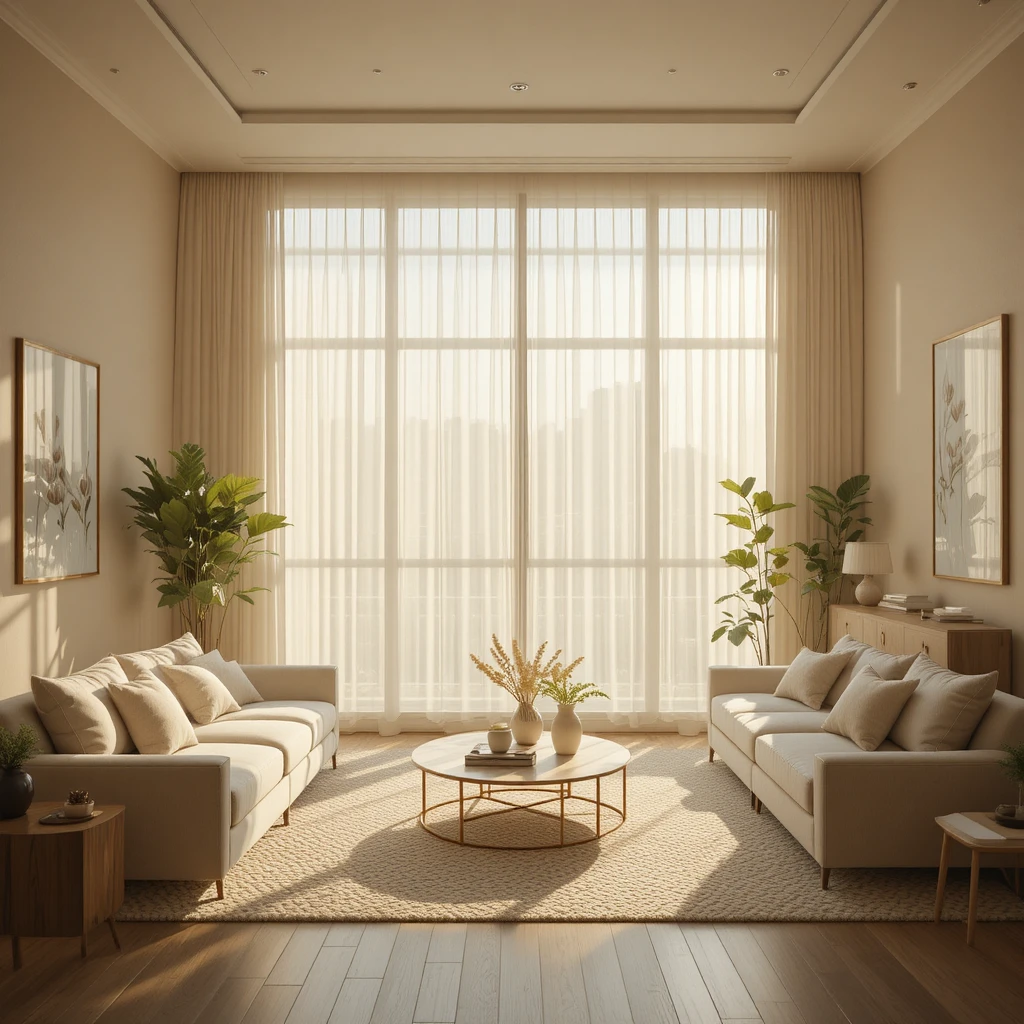
Ultimately, the best design is one that embraces the unique character of your space. Whether it’s a sun-drenched loft or a cozy apartment with small windows, let the natural light in your home dictate your design choices.
Consider framing light as a design element in itself. This could involve using architectural features like arched windows to soften daylight or tall, narrow frames to create dramatic plays of shadow. It’s about shaping the light, not just welcoming it. This thoughtful approach to natural light elevates warm minimalism living room designs from a simple style to a deeply personal, moody, and comfortable sanctuary.
Final Lighting Checklist:
- Maximize natural light with sheer window treatments.
- Add layered artificial lighting (ambient, task, and accent) for evenings.
- Position mirrors to reflect and amplify available light.
- Choose warm-toned light bulbs (2700K-3000K) to maintain a cozy glow.
Conclusion: Your Sanctuary Awaits
Transforming your living room into a haven of warm minimalism is a deeply personal journey. It’s not about following rigid rules, but about curating a space that brings you peace, comfort, and joy. By embracing a warm color palette, layering natural textures, and choosing quality over quantity, you can create a home that is both beautiful and functional.
Remember, the goal is not perfection but a space that reflects who you are and how you live. It is a sanctuary from the outside world—a place where you can relax, recharge, and connect with what truly matters. Whether you start with a single chunky knit throw or commit to a full room makeover, each small step brings you closer to a home that feels as good as it looks.
Your journey toward a more intentional, cozy, and stylish living space begins now. Embrace the principles of warm minimalism, trust your instincts, and create a room that truly feels like your own. After all, the best-designed spaces are the ones that make you feel most at home.